

The Pet Owner's Guide to Travelling Australia (Without Leaving Anyone Behind)
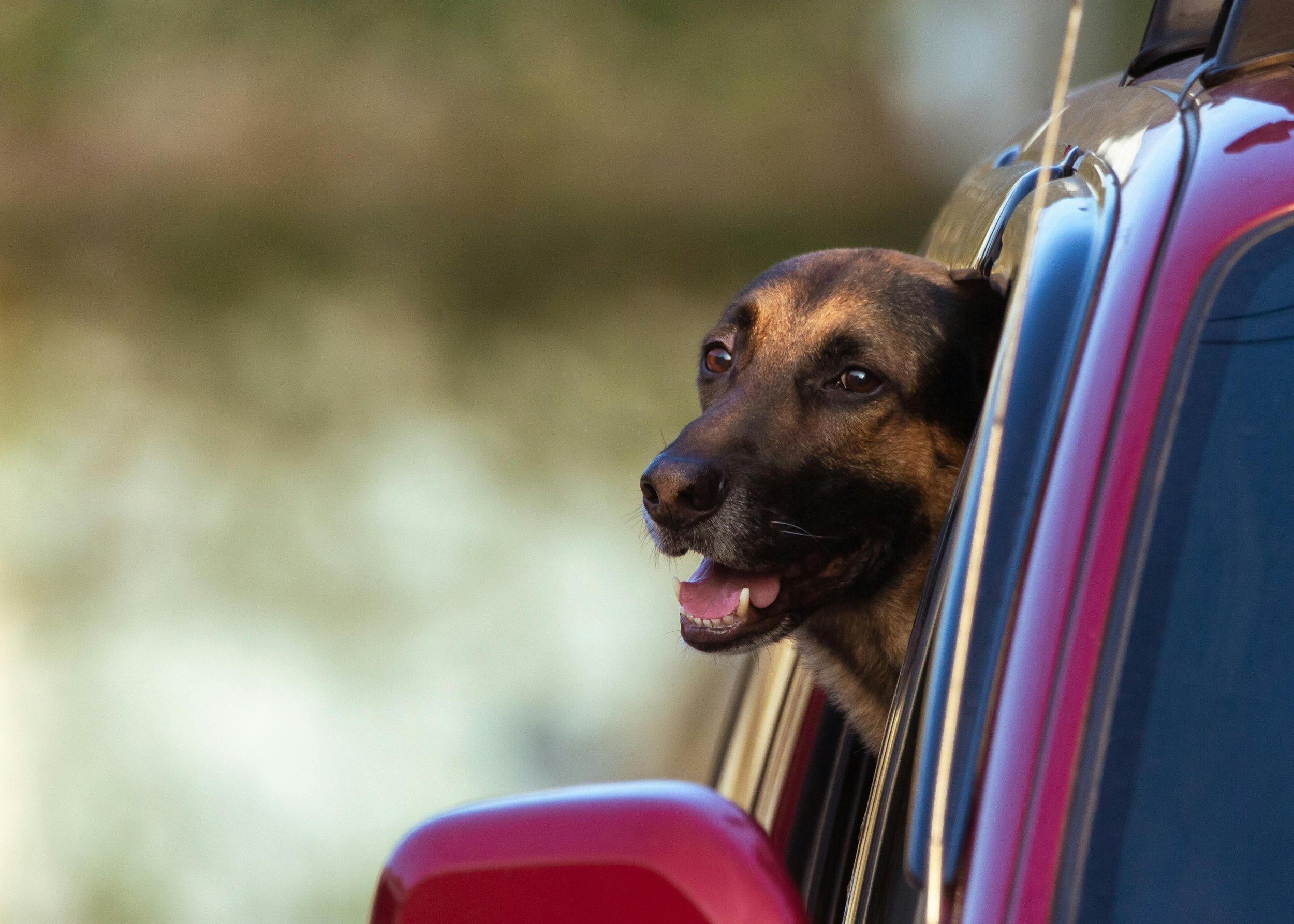
For the dog mums, cat dads, and everyone in between who refuses to compromise on the family holiday.
You've found the perfect weekend getaway. Great location, good reviews, reasonable price. You go to book, and then you see it. "Sorry, no pets."
Sound familiar?
Travelling with a pet in Australia used to feel like an obstacle course. But things are changing. A growing wave of accommodation providers, restaurants, and destinations are not just allowing pets — they're actively catering to them. And if you know where to look, exploring this country with your dog or cat beside you can be one of the most rewarding ways to travel.
Here’s what you need to know.
Why It's Worth the Extra Planning
Travelling with a pet takes more organisation than going solo. But here's what experienced pet travellers will tell you: it's completely worth it.
For many animals, particularly dogs, being left behind is genuinely stressful. A familiar face in an unfamiliar environment beats days in a boarding kennel every time. And for owners, the guilt of leaving them is real. Holidays are supposed to be relaxing.
Beyond the logistics, there's something special about exploring a new place with your pet. They keep you present. They make you walk further than you planned. They make the photos better.
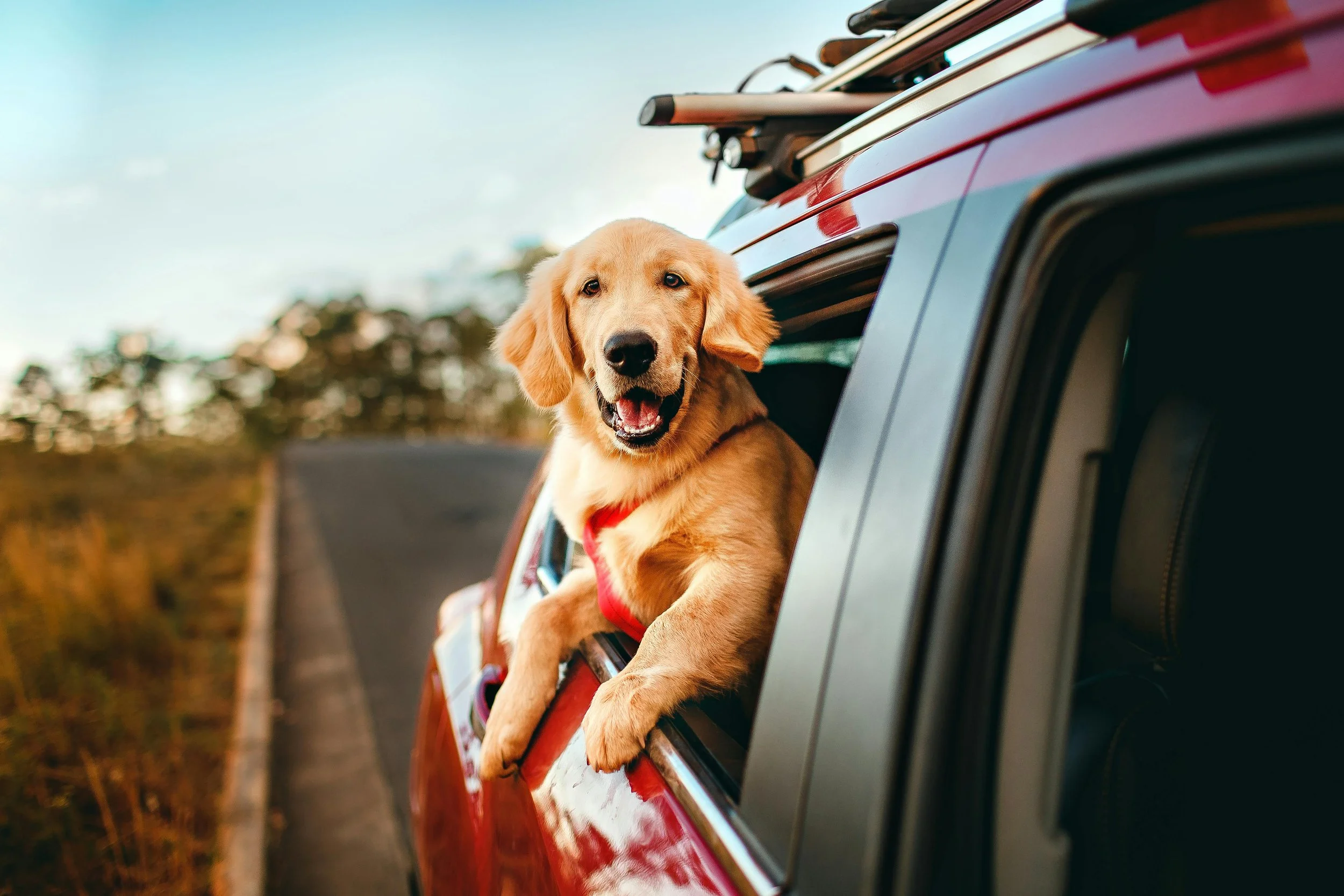
Is Your Dog Actually Suited to Travel?
Before you start planning, it's worth being honest about whether travel is right for your specific dog — because not all dogs are.
Some breeds and individuals simply don't cope well with long car journeys. Dogs prone to motion sickness, anxiety, or hyperactivity can find extended road trips stressful rather than exciting. Senior dogs with joint issues may struggle with confined spaces over several hours. And certain high-energy working breeds need more exercise than a weekend away can realistically provide.
Signs your dog may not be a great travel candidate include excessive panting or drooling in the car, persistent whining or restlessness, vomiting on even short trips, or stress behaviours that don't settle after the first hour. If you're unsure, speak with your vet before committing to a long trip — there are medication and training options that can help, but they need time to work.
If your dog genuinely doesn't enjoy travel, that's okay. Forcing it isn't fair on them — or on you. Services like Pawshare Club connect pet owners with trusted local carers who can look after your dog in a home environment while you travel, which for some animals is genuinely the kindest option.
Best Pet-Friendly Destinations in Australia
The Mornington Peninsula, Victoria is practically designed for dog owners. Miles of off-leash beaches, dog-friendly cafés along the Sorrento strip, and countless holiday houses with fully fenced gardens make it one of the easiest pet-friendly trips you can plan from Melbourne.
Byron Bay, New South Wales lives up to its laid-back reputation. Tallow Beach is one of the most beautiful dog-friendly stretches of sand on the east coast, and the hinterland villages nearby offer quiet retreats with plenty of room to roam.
Margaret River, Western Australia might surprise you. Several cellar doors welcome dogs in their outdoor areas, and the region is full of self-contained cottages, coastal trails, and unhurried beaches that suit both pets and their people.
The Snowy Mountains, New South Wales is a revelation if your dog loves open space and cold air. Outside of peak ski season especially, the alpine trails and wide open landscapes make for an unforgettable trip.
What to Look for in Pet-Friendly Accommodation
Not all pet-friendly listings are created equal. When researching, look for fully fenced outdoor areas, proximity to off-leash beaches or parks, and honest breed and size policies — some properties charge significant pet bonds or only accept small dogs.
Reviews from other pet owners are your best resource. "Loved it, would bring our dog again" tells you more than any official policy statement. Platforms like Stayz, Airbnb, and dedicated sites like Pet Friendly Accommodation Australia all have filters worth using as a starting point.
Packing Essentials for Travelling with Pets
Even experienced pet travellers forget something. The non-negotiables: vet records and vaccination history, enough of their regular food for the full trip (changing diet mid-travel causes stomach upset), comfort items from home like their bed or a familiar blanket, and basic first aid supplies including tick tweezers and any regular medications.
Know the location of the nearest vet to wherever you're staying before you need it.
Navigating the Rules
Australia's rules around animals in public spaces vary significantly by state, council, and location. Most national parks do not permit dogs — there are exceptions, but they're the minority, so always check before planning a hike. Beaches are managed at a council level, meaning off-leash hours and designated zones differ even within a single city. Outdoor dining has become much more pet-welcoming in recent years, particularly in Victoria and New South Wales, but when in doubt, ask before you sit down.
The Bottom Line
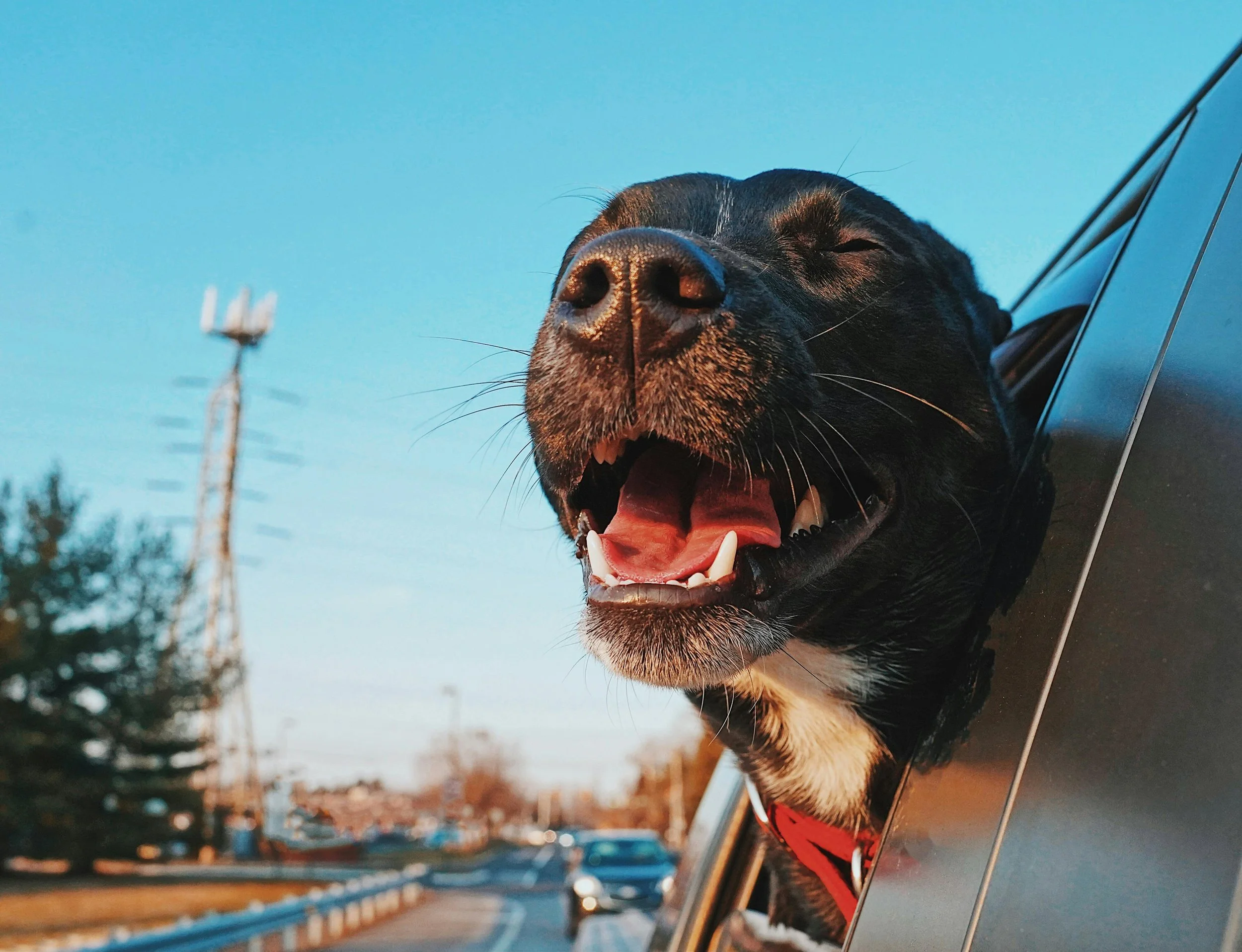
Travelling with a pet in Australia is more accessible than it's ever been. Yes, it takes more preparation. But when it works — when your dog is bounding down a beach they've never seen before or curled up contentedly at the end of a long day — there's nothing quite like it.
Start small if you're new to it. A weekend somewhere low-stakes, a refined packing list, and a sense of what works for your particular animal. The best trip you take with your pet might just become the one you talk about for years.
And if travel isn't right for your pet this time? Pawshare Club offers a community of trusted local animal lovers for pet sitting, walks, and in-home care — so you can travel with peace of mind, knowing they're in good hands.