Responsible Pet Adoption and Surrender: Doing Right by the Animals Who Trust Us
A guide to responsible pet adoption and legal surrender in Victoria, Australia—steps, tips, and emotional support
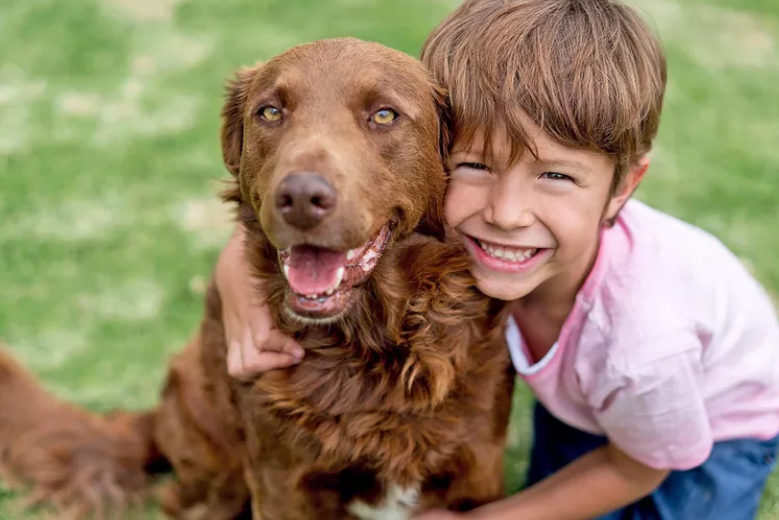
A little boy smiling with one arm around a dog.
Scroll through any of the rescue sites anywhere, and you’ll see nothing but a sea of soft eyes and hopeful faces staring back at you. It’s hard not to fall in love. But it’s a much harder emotion to cope with when you take the plunge and ask yourself, "Can I truly commit to this animal for life?"
Every pet in a shelter has a story that started with hope - and somewhere along the way, a hard decision. This blog is about those decisions: the joy and considerations we take into adopting, and the painful, responsible choice to surrender. We'll explore both sides by looking at all the facts, so anyone who is faced with a tough decision will understand what is at risk.
Responsible Adoption – More Than a Feel-Good Moment
Adopting is a lifelong promise.
It's an important and often overlooked point: you’re not “getting a pet”. Rather, you are becoming the legal and moral guardian of a sentient living being whose survival and well-being now depend entirely on you.
That means planning for those 10-20 years of ongoing costs for feeding and veterinary care, training and activities, as well as entertaining them and - of course dealing with curveballs life throws at you.
A responsible adoption mindset asks:
"Do I understand the energy, exercise and space required for the species and breed, not just its physical appearance?"
"Can I afford routine vet care, desexing, vaccinations, microchipping and unexpected emergencies?"
"Is my housing stable and pet-friendly, including rental rules as well as the local council's regulations?"
"Who will look after this animal if there is a change in my personal circumstances (e.g. sickness, relocation, family breakdown)?"
Why adopting through ethical organisations matters
Where you adopt from vastly shapes an animal’s future.
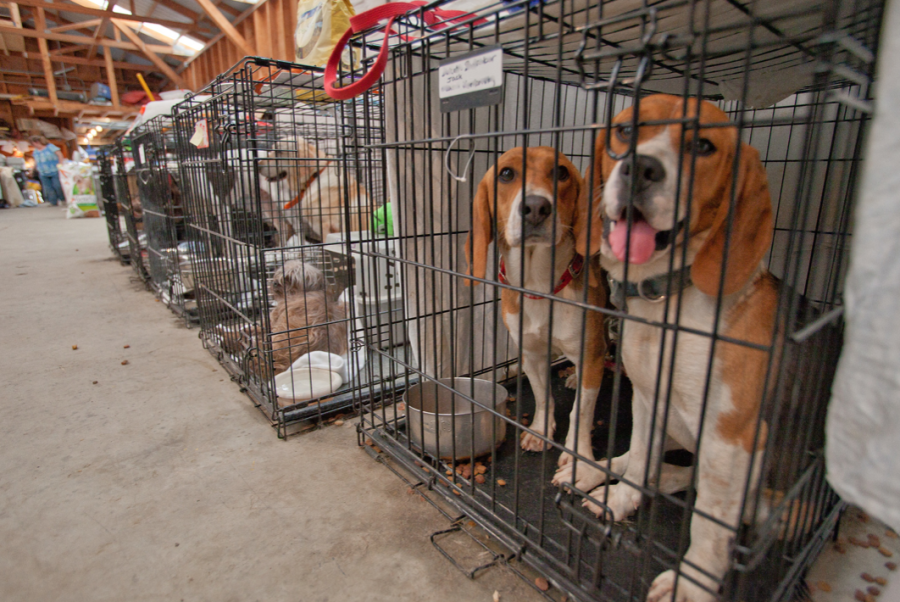
A picture of dogs in cages.
Ethical shelters and rescues typically:
Desex, vaccinate, and microchip animals before adopting, reducing overpopulation and disease.
Assessments need to happen between an animal and a potential adopter so that a match can be made based on lifestyle, energy levels and experience, not on an emotional, impulsive decision.
Offer post-adoption support for behavioural or settling-in issues, so problems don’t turn into surrender later.
This reduces stress and increases the likelihood that an adoption is for life rather than for a brief season.
Responsible adoption is also about saying “not yet”
Sometimes, the most loving thing you can do is not adopt – at least, not right now. If you’re unsure, it's important to consider fostering as an option that will always be available to us - even volunteering, or donating instead; you still change lives without risking a rushed, unsuitable placement.
Responsible Surrender – When Love Means Letting Go
Surrender is not the “easy way out”.
It's easier to judge behind the scenes without knowing all the details that led to a surrender.
But the reality is far more complicated – and often heartbreaking.
Sometimes life can become really difficult, and we can no longer look after our much-loved pets. We need to consider the loss of a job, possible domestic violence, struggling to pay rent or a mortgage, becoming unwell and being unable to look after our animals or our pets exhibiting particularly challenging behaviours.
In those situations, responsible surrender can be an act of deep care: choosing safety and support over quiet suffering or illegal abandonment.
Abandonment is never an option.
In Victoria and across Australia, disposing of or abandoning an animal is considered to be not only cruel, but also a criminal offence with hefty fines and imprisonment possible.
Abandoned animals face starvation, untreated injuries, disease and fear, often dying slowly and alone when a humane option is available.
If you can’t keep your pet, you have a responsibility to:
Explore behaviour support, financial help, or rental advocacy first (many shelters now offer “keep your pet” advice lines).
Rehome thoughtfully through trusted networks, a reputable rescue, or the original breeder if they accept returns.
If there is no safe rehome path, contact your local council, shelter or rescue and follow their surrender process.
How surrender works in practice (Australia & Victoria)
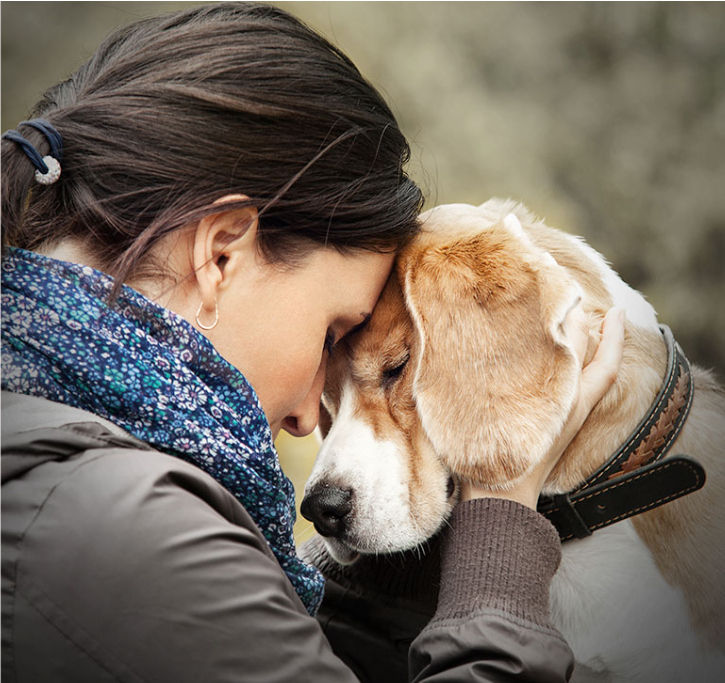
A woman closing her eyes and connecting her forehead with a dog.
While details vary by state and organisation, responsible surrender usually involves a few key steps.
Surrender Process Step-by-Step
Contact first, don’t just turn up.
While shelters are still committed to accepting any animal brought to their doors, AAPS now requires appointments to ensure space and safe intake processes.
Share honest information.
You will be asked to fill out a surrender form with as much information as you have on your pet’s medical, behavioural, and past history and routine for staff to assist in re-homing them as safely and successfully as possible.
Provide documentation.
Details such as proof of ownership, vaccination records, microchip number and any medical history are important documents that help protect you legally and help the animal medically.
Understand the legal release.
To complete the Surrender Process, you must sign a surrender agreement verifying that you are the animal’s rightful owner, acknowledge the accuracy of the information provided, and that you relinquish all rights and decisions about the animal’s future.
Expect possible fees – and limits.
Shelters may ask for a donation in exchange for surrendering an animal to help cover costs of care such as food, shelter and medical services. Keep in mind, shelters may also pause surrenders temporarily when at capacity from welfare seizures or overcrowding.
In Victoria, the government states that if you can’t keep your pet, it should be rehomed in an appropriate way, or handed to a council, registered shelter or rescue - it shouldn't be dumped.
When keeping your pet might still be possible
Before resigning yourself to the fact that you have to say goodbye, try to consider whether there is any resource that may help you to navigate the challenges you are facing in the relationship in a way that enables you both to stay safe.
Options can include:
Training, behaviour modification by a vet, trainer or behaviourist; discounted courses and services are sometimes available through welfare organisations.
Financial assistance, payment plans, or low-cost clinics for vet care and desexing.
Rent Assistance and Housing Pet Advocacy - Letters can be written for renters or property owners that include a letter from a vet or animal welfare organisation to help support requests to keep a pet. They also include a section to explain why being a responsible pet owner is important and the positive contributions it can bring to a community.
Services like the AAPS Animal Advice Line exist precisely to help you walk through the difficult choices that arise and explore all options before considering the surrender of your pet.
Holding Both Truths: Forever Homes and Hard Goodbyes
Saying 'I love you' today is easy. Repeating it for the rest of their life—no matter what—takes real commitment. Ethical surrender means admitting, with a broken heart, “I can’t keep you anymore, so I’m trusting people who can.”
Both choices require courage. Both choices are rooted in love. And both, when handled thoughtfully and legally, protect the animals who have already given us everything they have. Don't be discouraged when things take a turn for the worse - giving your best and doing the right thing are still acts rooted in care, and your pet feels that more than you know.
If you’re struggling due to limited local support, consider joining Pawshare Club to connect with trusted pet lovers nearby who can help care for your pet during difficult times.